Buy docking.be ?
We are moving the project
docking.be .
Are you interested in purchasing the domain
docking.be ?
domain@kv-gmbh.de · 0541-91531010
Buy docking.be ?
What is the difference between Past Perfect and Past Perfect Simple?
The Past Perfect and Past Perfect Simple are both verb tenses used to show an action that occurred before another action in the past. The Past Perfect Simple is used to emphasize the completion of an action before another action in the past, while the Past Perfect is used to show the duration of an action that was completed before another action in the past. In essence, the Past Perfect Simple focuses on the completion of an action, while the Past Perfect emphasizes the duration of the action. **
For the past: Simple past or present perfect?
The choice between simple past and present perfect depends on the specific context and the speaker's intention. Generally, the simple past is used to talk about a specific completed action or event that occurred at a definite time in the past. On the other hand, the present perfect is used to indicate a connection between the past and the present, emphasizing the relevance or impact of the past action on the present moment. So, if the focus is on a completed action with a specific time reference, simple past is more appropriate. If the focus is on the relevance of the past action to the present moment, present perfect is more suitable. **


Similar search terms for Past Perfect Simple
Top-Angebote
Products related to Past Perfect Simple:
-
Mapalé Perfect Thong - MAL1075BLKLe tissu glisse doucement entre les doigts et révèle la finesse du Perfect Thong signé Mapalé. Ce modèle attire le regard par sa simplicité étudiée. Il s’adresse à celles et ceux qui aiment les lignes nettes et les détails subtils.Élégance sensuelle 🌹Dans la catégorie String et Boxer sexy, ce9,74 €*Shipping: 3,90 €Secure redirect to the provider
-
Mapalé Perfect Thong - MAL1075WHTLa lumière glisse sur la dentelle fine du Perfect Thong signé Mapalé. Ce modèle attire l’œil par sa simplicité étudiée et son allure sensuelle. Il s’adresse à celles et ceux qui aiment les coupes épurées, avec une touche de raffinement discret.Une ligne minimaliste qui sublime 💫Ce string met en9,74 €*Shipping: 3,90 €Secure redirect to the provider
-
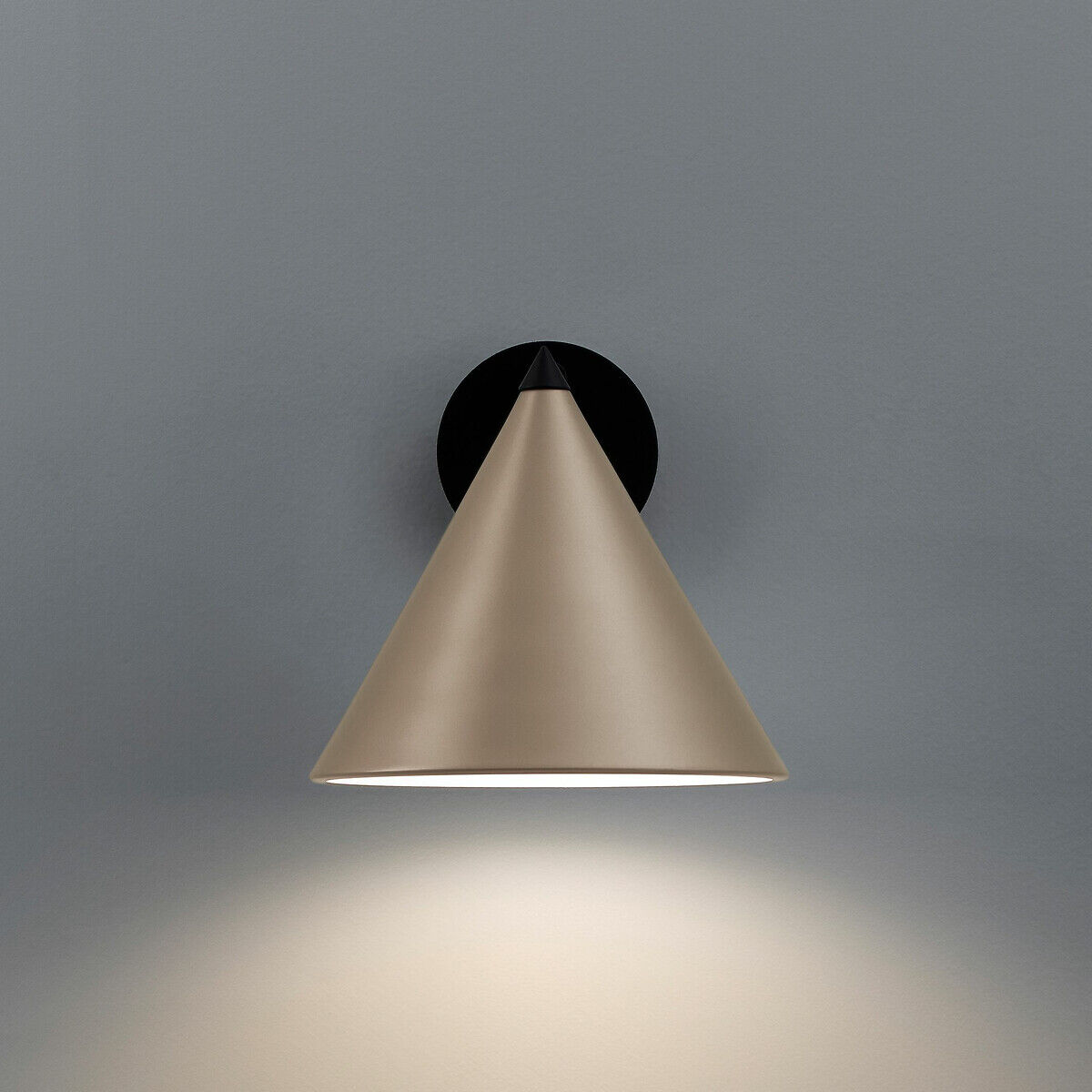
AM.PM Applique simple, MokeEsthétisme, raffinement et sobriété. La gamme Moke fait partie des Iconiques AMPM : des créations exclusives, ancrées dans l’ADN de la marque.Diverses positions possibles : le cône peut s'orienter de plusieurs façons pour des effets graphiques multiples. Description • Fer finition peinture poudre époxy polyester, noir, moka, ou gris • Finition fer bord légèrement roulé • Support et base en fer finition peinture poudre époxy polyester • Réflecteur conique orientable 120°, intérieur finition peinture poudre époxy polyester blanc • Douille E14 pour ampoule (non fournie) : LED 4W max Dimensions • Hauteur : 17,6 cm • Profondeur : 22,5 cm • Diamètre cône : 18,8 cm Dimensions et poids des colis 1 colis • L27 x H24 x P25 cm, 1,1 kg99,00 €*Shipping: 3,99 €Secure redirect to the provider
-
Mapalé Clip Perfect thong - MAL1090WBKLa lumière caresse la peau et le tissu glisse doucement. Ce moment semble simple. Le Clip Perfect thong de Mapalé s’impose comme une pièce essentielle pour celles et ceux qui aiment se sentir libres sans négliger le maintien. Sa coupe minimaliste épouse les formes, tout en restant discrète sous les9,74 €*Shipping: 3,90 €Secure redirect to the provider



-
How to use Simple Past and Present Perfect?
The Simple Past is used to talk about completed actions in the past at a specific time or in a specific order. For example, "I went to the store yesterday." On the other hand, the Present Perfect is used to talk about actions that happened at an unspecified time in the past or have a connection to the present. For example, "I have visited Paris several times." It is important to pay attention to the time expressions used with each tense to determine which one to use. **
-
Can you please explain the Simple Past and the Past Perfect?
The Simple Past tense is used to describe actions that were completed in the past at a specific time or for a specific duration. It is formed by adding "-ed" to regular verbs or using the past form of irregular verbs. For example, "I walked to the store yesterday." The Past Perfect tense is used to show that one action happened before another action in the past. It is formed by using "had" followed by the past participle of the verb. For example, "She had already eaten dinner when I arrived." In this sentence, the action of eating dinner (Past Perfect) happened before the action of arriving (Simple Past). **
-
I urgently need help with using Simple Past or Past Perfect.
Simple Past is used to describe actions that happened at a specific point in the past, while Past Perfect is used to show that one action happened before another action in the past. If you are talking about two actions that happened in the past and you want to show which one happened first, you should use Past Perfect for the action that occurred first. It's important to pay attention to the sequence of events when deciding whether to use Simple Past or Past Perfect in your sentences. **
-
What is the simple rule for using Simple Past or Present Perfect?
The simple rule for using Simple Past or Present Perfect is that Simple Past is used to talk about a specific time in the past, while Present Perfect is used to talk about an action that happened at an unspecified time in the past or has a connection to the present. If the time when the action occurred is mentioned or known, then Simple Past is used. If the focus is on the result or the current relevance of the action, then Present Perfect is used. **

What is the present (present tense), 1st past (simple past), 2nd past (present perfect), past perfect (pluperfect), and future (future tense)?
Present: I walk to school every day. 1st Past (Simple Past): Yesterday, I walked to school. 2nd Past (Present Perfect): I have walked to school many times. Past Perfect (Pluperfect): By the time I arrived, I had already walked to school. Future: Tomorrow, I will walk to school again. **
Which form of the past is used in English: Simple Past or Past Perfect?
The Simple Past is used to describe actions that happened at a specific point in the past and are now completed. On the other hand, the Past Perfect is used to show that one action happened before another action in the past. So, the choice between Simple Past and Past Perfect depends on the sequence of events you want to convey in your sentence. **
Top-Angebote
Products related to Past Perfect Simple:
-
Mapalé Perfect Thong - MAL1075BLKLe tissu glisse doucement entre les doigts et révèle la finesse du Perfect Thong signé Mapalé. Ce modèle attire le regard par sa simplicité étudiée. Il s’adresse à celles et ceux qui aiment les lignes nettes et les détails subtils.Élégance sensuelle 🌹Dans la catégorie String et Boxer sexy, ce9,74 €*Shipping: 3,90 €Secure redirect to the provider
-
Mapalé Perfect Thong - MAL1075WHTLa lumière glisse sur la dentelle fine du Perfect Thong signé Mapalé. Ce modèle attire l’œil par sa simplicité étudiée et son allure sensuelle. Il s’adresse à celles et ceux qui aiment les coupes épurées, avec une touche de raffinement discret.Une ligne minimaliste qui sublime 💫Ce string met en9,74 €*Shipping: 3,90 €Secure redirect to the provider
-
What is the difference between Past Perfect and Past Perfect Simple?
The Past Perfect and Past Perfect Simple are both verb tenses used to show an action that occurred before another action in the past. The Past Perfect Simple is used to emphasize the completion of an action before another action in the past, while the Past Perfect is used to show the duration of an action that was completed before another action in the past. In essence, the Past Perfect Simple focuses on the completion of an action, while the Past Perfect emphasizes the duration of the action. **
-
For the past: Simple past or present perfect?
The choice between simple past and present perfect depends on the specific context and the speaker's intention. Generally, the simple past is used to talk about a specific completed action or event that occurred at a definite time in the past. On the other hand, the present perfect is used to indicate a connection between the past and the present, emphasizing the relevance or impact of the past action on the present moment. So, if the focus is on a completed action with a specific time reference, simple past is more appropriate. If the focus is on the relevance of the past action to the present moment, present perfect is more suitable. **
-
How to use Simple Past and Present Perfect?
The Simple Past is used to talk about completed actions in the past at a specific time or in a specific order. For example, "I went to the store yesterday." On the other hand, the Present Perfect is used to talk about actions that happened at an unspecified time in the past or have a connection to the present. For example, "I have visited Paris several times." It is important to pay attention to the time expressions used with each tense to determine which one to use. **
-
Can you please explain the Simple Past and the Past Perfect?
The Simple Past tense is used to describe actions that were completed in the past at a specific time or for a specific duration. It is formed by adding "-ed" to regular verbs or using the past form of irregular verbs. For example, "I walked to the store yesterday." The Past Perfect tense is used to show that one action happened before another action in the past. It is formed by using "had" followed by the past participle of the verb. For example, "She had already eaten dinner when I arrived." In this sentence, the action of eating dinner (Past Perfect) happened before the action of arriving (Simple Past). **
Similar search terms for Past Perfect Simple
-
AM.PM Applique simple, MokeEsthétisme, raffinement et sobriété. La gamme Moke fait partie des Iconiques AMPM : des créations exclusives, ancrées dans l’ADN de la marque.Diverses positions possibles : le cône peut s'orienter de plusieurs façons pour des effets graphiques multiples. Description • Fer finition peinture poudre époxy polyester, noir, moka, ou gris • Finition fer bord légèrement roulé • Support et base en fer finition peinture poudre époxy polyester • Réflecteur conique orientable 120°, intérieur finition peinture poudre époxy polyester blanc • Douille E14 pour ampoule (non fournie) : LED 4W max Dimensions • Hauteur : 17,6 cm • Profondeur : 22,5 cm • Diamètre cône : 18,8 cm Dimensions et poids des colis 1 colis • L27 x H24 x P25 cm, 1,1 kg99,00 €*Shipping: 3,99 €Secure redirect to the provider
-
Mapalé Clip Perfect thong - MAL1090WBKLa lumière caresse la peau et le tissu glisse doucement. Ce moment semble simple. Le Clip Perfect thong de Mapalé s’impose comme une pièce essentielle pour celles et ceux qui aiment se sentir libres sans négliger le maintien. Sa coupe minimaliste épouse les formes, tout en restant discrète sous les9,74 €*Shipping: 3,90 €Secure redirect to the provider
-
Mapalé Clip Perfect thong - MAL1090WHTLe Clip Perfect thong de Mapalé épouse le corps avec légèreté et élégance. Il tient bien, sans bouger. Un petit détail, mais quelle différence ! Ce modèle s’adresse à celles et ceux qui aiment se sentir libres tout en restant parfaitement maintenus.✨ Confort et maintienCe string a été pensé pour9,74 €*Shipping: 3,90 €Secure redirect to the provider
-
I urgently need help with using Simple Past or Past Perfect.
Simple Past is used to describe actions that happened at a specific point in the past, while Past Perfect is used to show that one action happened before another action in the past. If you are talking about two actions that happened in the past and you want to show which one happened first, you should use Past Perfect for the action that occurred first. It's important to pay attention to the sequence of events when deciding whether to use Simple Past or Past Perfect in your sentences. **
-
What is the simple rule for using Simple Past or Present Perfect?
The simple rule for using Simple Past or Present Perfect is that Simple Past is used to talk about a specific time in the past, while Present Perfect is used to talk about an action that happened at an unspecified time in the past or has a connection to the present. If the time when the action occurred is mentioned or known, then Simple Past is used. If the focus is on the result or the current relevance of the action, then Present Perfect is used. **
-
What is the present (present tense), 1st past (simple past), 2nd past (present perfect), past perfect (pluperfect), and future (future tense)?
Present: I walk to school every day. 1st Past (Simple Past): Yesterday, I walked to school. 2nd Past (Present Perfect): I have walked to school many times. Past Perfect (Pluperfect): By the time I arrived, I had already walked to school. Future: Tomorrow, I will walk to school again. **
-
Which form of the past is used in English: Simple Past or Past Perfect?
The Simple Past is used to describe actions that happened at a specific point in the past and are now completed. On the other hand, the Past Perfect is used to show that one action happened before another action in the past. So, the choice between Simple Past and Past Perfect depends on the sequence of events you want to convey in your sentence. **
* All prices are inclusive of VAT and, if applicable, plus shipping costs. The offer information is based on the details provided by the respective shop and is updated through automated processes. Real-time updates do not occur, so deviations can occur in individual cases. ** Note: Parts of this content were created by AI.